How AI Is Revolutionizing Video Translation Services

Industry Insights
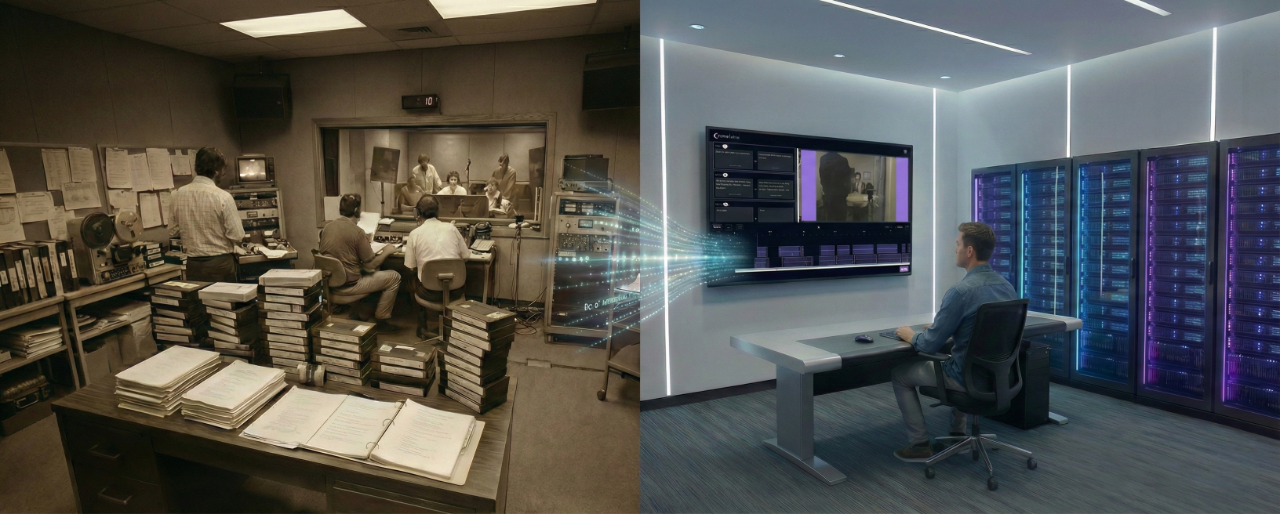

Video localization has undergone a fundamental transformation in recent years. What was once a complex, costly, and time-consuming process has become significantly more efficient and scalable thanks to modern AI technologies. However, one thing remains clear: AI alone is not sufficient to deliver professional video translation. High-quality, brand-consistent results emerge only through the combination of artificial intelligence and human expertise.
Before the introduction of AI-driven systems, professional dubbing was almost entirely manual:
This approach came with significant drawbacks:
High production costs, long turnaround times of several weeks or even months, and frequent content inaccuracies caused by forced script adaptations. As a result, the original message and authenticity were often compromised.
Modern AI technologies have transformed the translation process across several key areas:
Efficiency and Cost Structure
Production timelines have been reduced from weeks to just a few hours. At the same time, costs can be lowered to less than five percent of traditional dubbing workflows, making large-scale video localization feasible for the first time.
Voice Cloning
AI-powered voice cloning makes it possible to retain the original speaker’s voice in localized versions. This leads to more natural results and preserves emotional authenticity, strengthening brand identity across languages.
Audio Source Separation
Background and ambient sounds can be extracted directly from the original audio and seamlessly reintegrated into the translated version. Time-consuming studio remixing is no longer required.
AI-Based Lip Sync
Instead of adapting scripts to match existing lip movements, AI adjusts the speaker’s lip movements to the new audio track. This results in significantly more natural visuals and greatly simplifies the localization process.
Despite rapid technological advances, language remains a highly complex and context-dependent medium. Cultural nuance, tone of voice, brand language, irony, and implicit meaning cannot be fully automated with reliable accuracy.
Without human oversight, common issues include:
Professional video translation therefore continues to rely on human quality assurance, editorial judgment, and linguistic expertise.
Modern full-service solutions such as the CHAMELAIONs Professional Dubbing Service combine automated AI workflows with human control:
Additional iterations are performed when required until translation quality, tone, and lip synchronization are fully aligned.
Schedule a free initial consultation with one of our experts. During the call, questions are addressed, the translation workflow is explained, and - depending on scope and requirements - a tailored proposal is created.
1. Does AI replace human translators in professional dubbing?
No. While AI handles many technical and time-intensive tasks, it cannot fully replace human translators. Linguistic nuance, cultural context, tone, and brand voice still require human expertise. Professional video translation therefore relies on a hybrid approach combining AI and human quality assurance.
2. How does AI-powered dubbing differ from traditional voice-over?
Traditional dubbing relies on new voice actors, rewritten scripts, and remixed background audio. AI-powered dubbing enables voice cloning, automated lip synchronization, and reuse of original background sounds - resulting in faster, more cost-efficient workflows that remain closer to the original content.
3. How realistic does voice cloning sound in other languages?
Modern voice cloning technologies produce highly natural results, preserving vocal character, pacing, and emotional expression. Combined with human text review and refinement, the localized audio is often indistinguishable from native recordings.
4. What types of videos are best suited for AI-powered translation?
AI-powered video translation is well suited for:
Thanks to its scalability, even large video libraries can be localized efficiently.
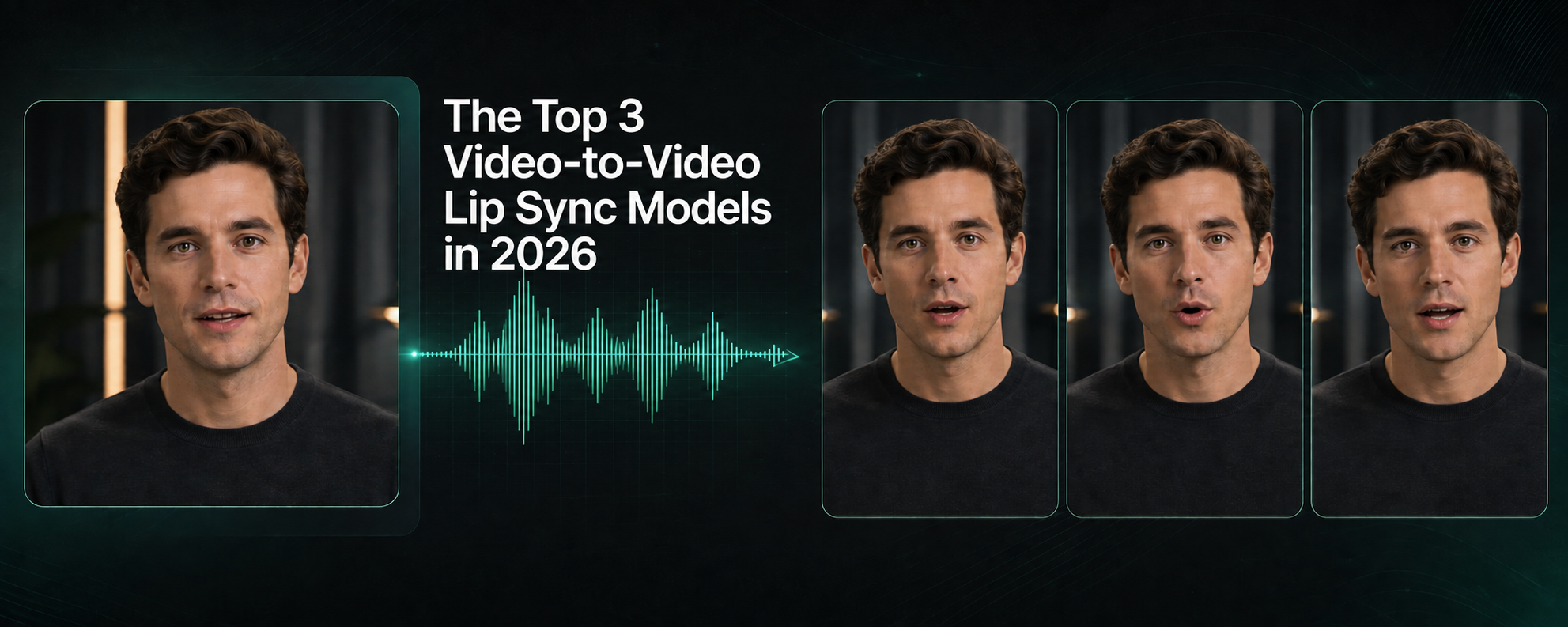
Compare Kling, CHAMELAION and Sync 3 with video examples, per-minute pricing, features, and access through platforms, APIs and SDKs.

Translate Hindi and Portuguese video or audio with CHAMELAION. Upload, choose languages, click Translate, then preview and export in minutes.


© 2025 CHAMELAION GmbH