Best AI Video Translators for Businesses (Top 3 in 2026)
Comparisons


Over the past few years, a growing number of AI video translation tools have entered the market. While many of these solutions promise fast and simple localization, most offer only very limited functionality and are not designed for being a professional AI dubbing tool for companies and enterprises, but rather for personal use, such as translating a greeting video.
In this article, we take a closer look at which AI video translators are truly production-ready - and capable of handling large volumes of video for companies, enterprises, broadcasters, agencies, and other organizations with demanding localization requirements.
There are a few important things to consider before deciding on what tool to use:
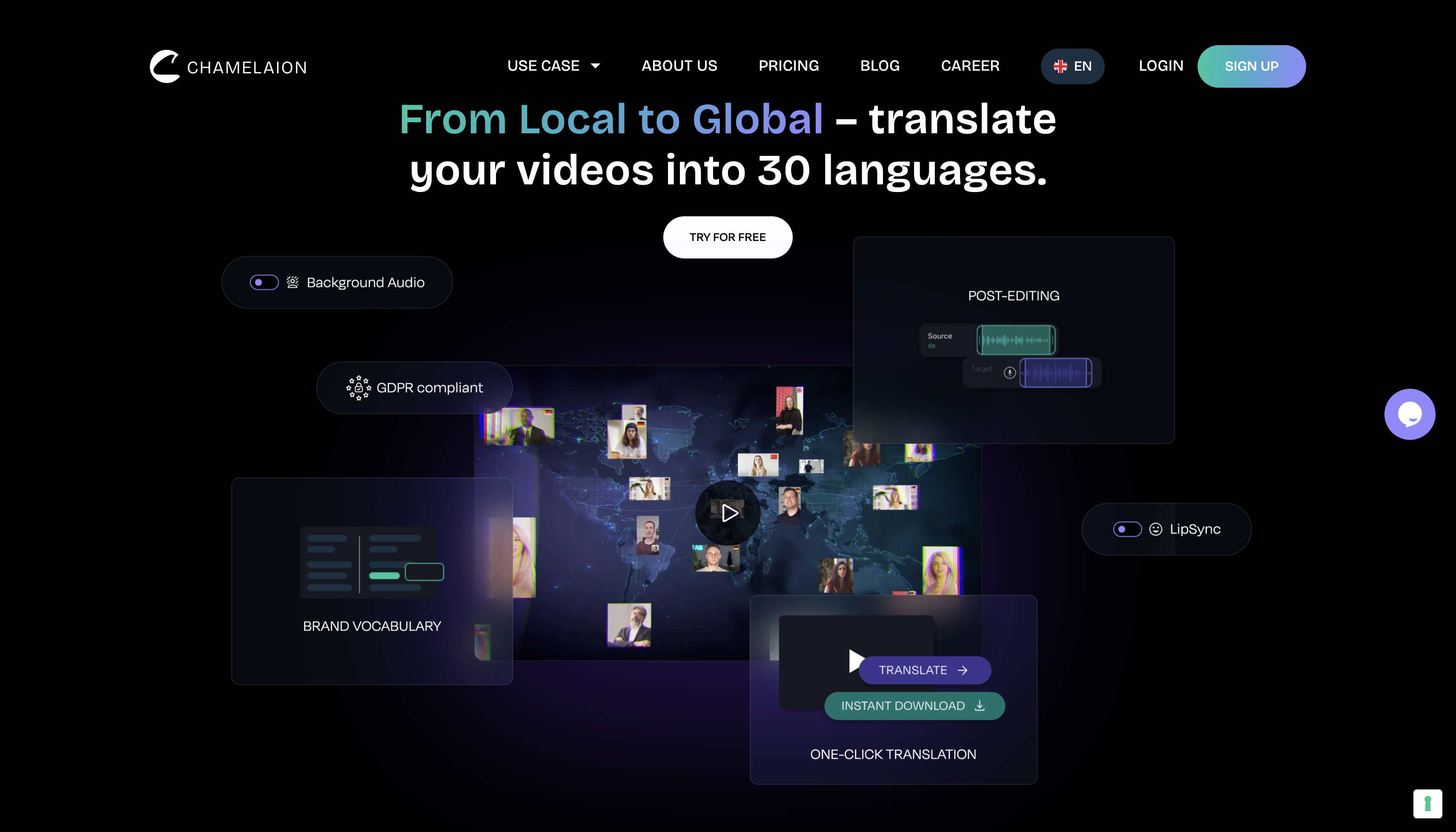
CHAMELAION is purpose-built for easy & fast AI video translation and dubbing, prioritizes linguistic accuracy, visual authenticity through lip synchronization, and offers scalable & easy workflows for corporate teams 👉CHAMELAION
Best AI video translation for enterprises, companies and agencies seeking a reliable and highly accurate tool for everyday workflows with full control.
Translate your first video for Free now 👉https://app.chamelaion.com
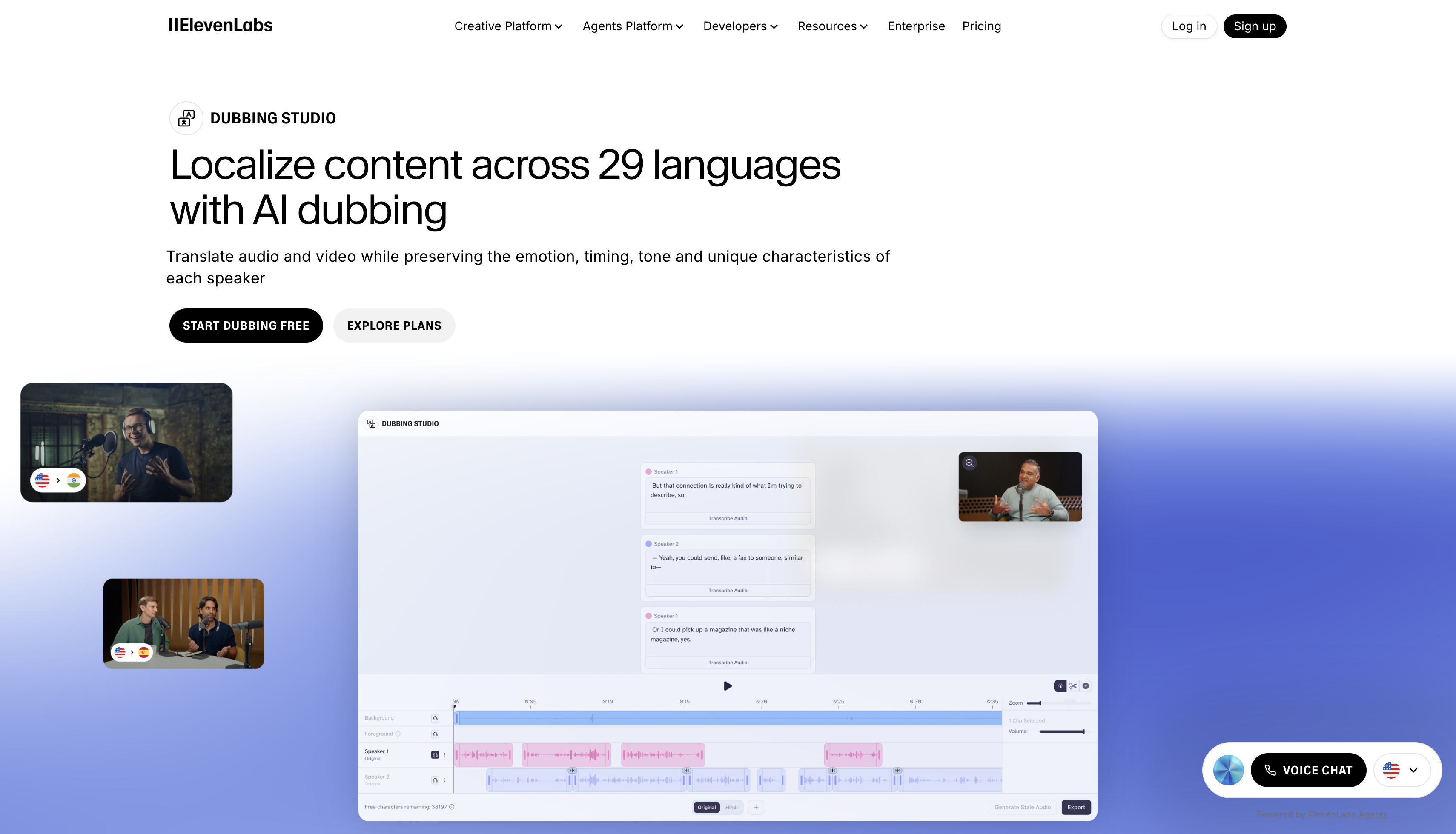
ElevenLabs is a leader in AI voice generation, with an AI dubbing feature that extends its Text-to-Speech capabilities and is well suited for audio-first localization rather than lip-synced video translation 👉ElevenLabs
Best suited for high-quality, voice-preserving audio translation at smaller scales or API integration into existing workflows.
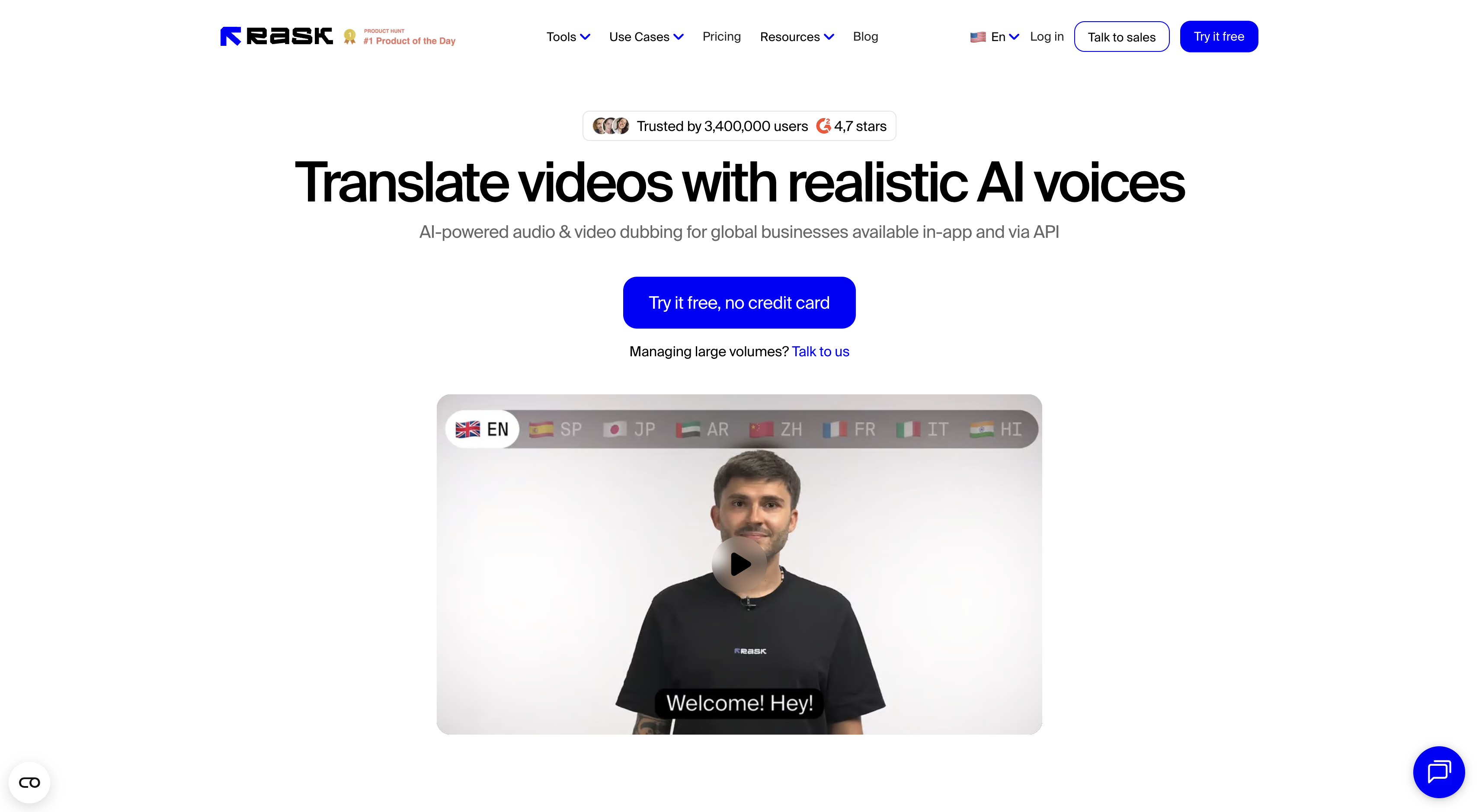
Rask.ai focuses on straightforward and efficient video translation and subtitling, making it a suitable option for users who prioritize speed and simplicity over advanced features and high-quality output 👉Rask.ai
Best for fast turnaround across many languages where quality is not the primary concern, especially for smaller teams looking for a simple all-round solution.
CHAMELAION 👉Best for enterprises and teams that need a reliable solution to translate existing videos like explainer, marketing, and learning videos with high-quality output, realistic lip sync, and transparent pricing.
Use Cases: E-learning and training content, explainer videos and long form documentaries, News & Infotainment and more.
Translate your first video for Free now 👉https://app.chamelaion.com
ElevenLabs 👉Best for high-quality audio translation and voice cloning, as well as when API integration matters.
Use Cases: Single speaker podcast, simple voice over videos or custom workflows via API integration.
Rask.ai 👉Best for low volume fast and easy video translation where speed matters more than quality or fine-grained control.
Use Cases: Short form & low volume content (e.g. social media videos), internal update & communication videos, as well as for subtitling videos.
1) AI Video Translation vs. Traditional Dubbing: How Much Does It Really Cost?
In today's world AI Video translation is significantly cheaper than traditional dubbing studios, with cost savings of over 95%. Traditional professional dubbing costs $100-300 per finished minute, whereas AI-based translation & dubbing software costs $1-5, depending on the scope. Of course, with traditional professional dubbing you still get the better quality, but in 90% of the cases you really come close to it.
2) Do I need any prior video editing experience for using a business video dubbing software?
No, not at all! Especially CHAMELAIONs platform is built simply and intuitive for enterprise teams specialized in other areas willing to leverage localized training, learning or marketing videos.
3) Which functionality does actually matter when choosing an AI translation tool?
It definitely makes sense to look at a few different features or technologies before you make a purchase decision. One of the most important features are lip sync, voice cloning and AI voices, post-editing possibilities, as well as language coverage. To name the single most important feature is wrong, because it always depends on your specific needs. Hint: Consider human support as similar relevant as all the other technical feature, especially at the beginning it could be really frustrating when you couldn’t handle starting errors and there is not contact person to ask for help.
4) What are the best AI video translator tools in 2026?
CHAMELAION
ElevenLabs
Rask AI
5) How accurate are AI dubbing tools?
By 2026, the accuracy of AI video translation tools has improved significantly, driven by advances in neural machine translation and context-aware voice modeling. Most leading platforms, such as CHAMELAION, now achieve well over 90% accuracy in language interpretation and lip synchronization, depending on the clarity and complexity of the source material.
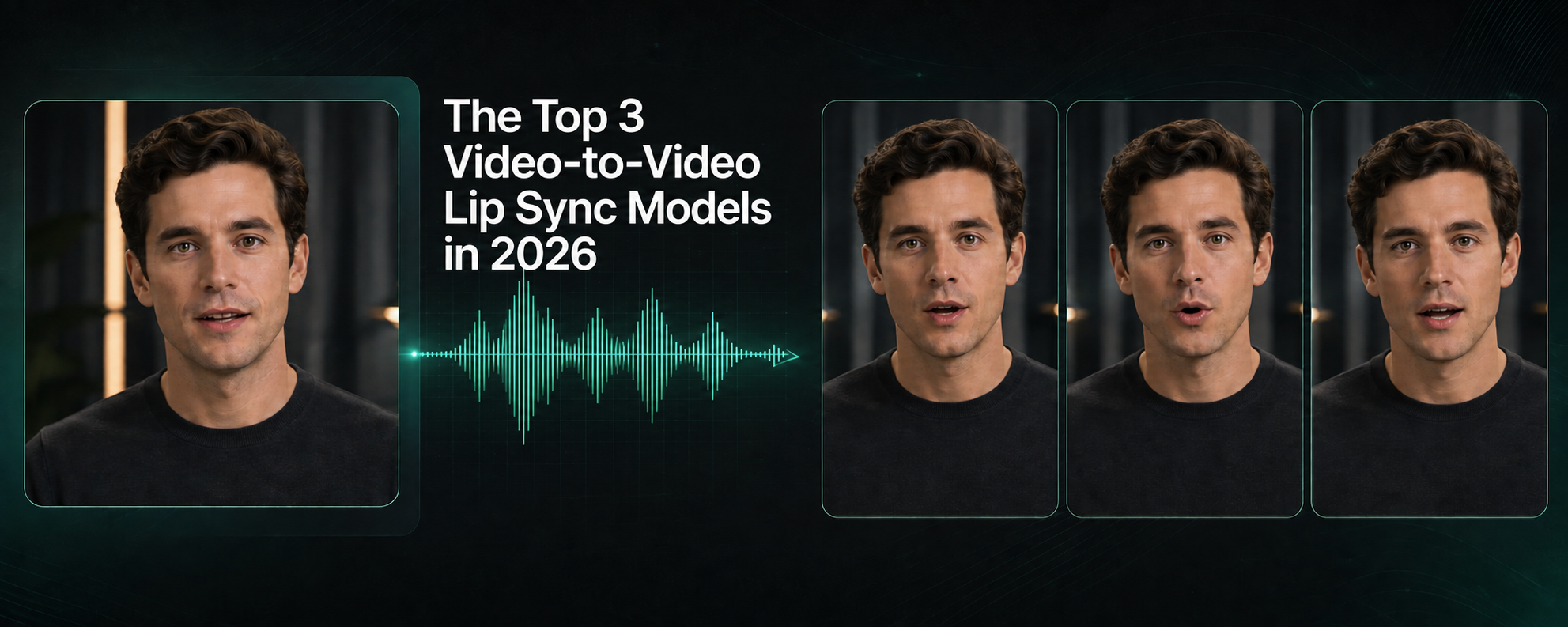
Compare Kling, CHAMELAION and Sync 3 with video examples, per-minute pricing, features, and access through platforms, APIs and SDKs.

Translate Hindi and Portuguese video or audio with CHAMELAION. Upload, choose languages, click Translate, then preview and export in minutes.


© 2025 CHAMELAION GmbH